Nipah Virus Overview Amid Fresh Cases in India
Nipah returns to West Bengal. Two cases, swift containment, bat links suspected. No spread so far. What triggered it, and why winter matters.
 Admin
Admin
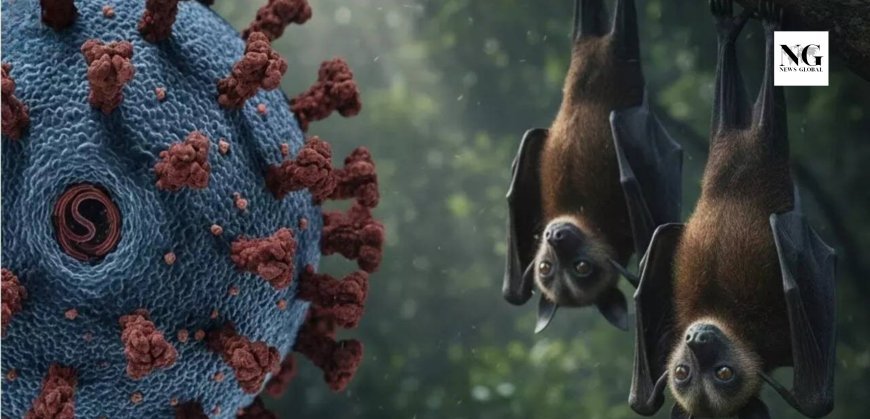
Nipah virus outbreak in West Bengal grabs attention fast. Two nurses at a Barasat clinic test positive after late December symptoms like fever and headaches. Pune labs confirm it on January 13. One heads home recovering. The other battles in ICU. Health teams test 196 contacts including family, staff, and patients. All clear by January 27. No new cases pop up. Lockdown hits the clinic. Schools close nearby. Alerts blast in Bengali. This matches old scares from 2001 and 2007 in the same bat-packed border area near Bangladesh. Winter sap season spikes the danger every time.
Current Situation Unfolds Step by Step
Private hospital in North 24 Parganas district sees cases build quick. National Institute of Virology nails the diagnosis early. Containment rolls out hard with full tracing of everyone close by. Strict isolation locks in suspects. Round-the-clock monitoring keeps watch. No jump to other districts or states so far. Airports in Thailand and Malaysia start screening passengers from Kolkata routes. Past patterns show winter hits hardest. Bats drop virus into toddy vats and fresh fruits. Quick government moves keep this one tiny compared to Kerala's 2018 outbreak that took 17 lives.
Nipah Virus Core Facts Lay Bare
Malaysia marks the 1998 start on pig farms. Over 100 farmers lost lives there. Fruit bats from the Pteropodidae family carry it with zero issues. They taint raw date palm sap, the toddy sold fresh on village roads. Bats bite into lychees and guavas, leaving saliva behind. One unboiled sip or bitten fruit passes it on. Human chains form through coughs and spit. Ungloved care in crowded rooms spreads it fast. Fatality runs 40 to 75 percent across outbreaks. India faces a seventh round now. Bats rule rural South Asia skies. Warmer weather pushes them into human paths more often.
Symptoms Hit Hard and Fast in Waves
Incubation lasts 3 to 14 days post-exposure. It stays quiet at first. Fever climbs to 38 to 40 degrees Celsius. Headaches throb nonstop. Coughs rack the chest. Sore throat burns. Exhaustion drops like a stone. Many brush it off as flu or dengue in humid India. Days later confusion clouds the mind. Neck stiffens up. Seizures jolt the body. Breaths turn shallow and ragged. Encephalitis inflames the brain full force. Coma or lung collapse seals the worst fates. PCR tests on throat swabs, blood draws, or spinal taps spot it dead on. Survivors carry 20 percent risk of lifelong seizures or deep personality changes.
Treatment Relies on Support, Nothing Fancy

No vaccine shields against it yet. No antiviral wipes it out clean. Care leans on machines and meds. Oxygen ventilators handle failing lungs. IV drips fight dehydration. Anticonvulsants stop fits. Steroids shrink brain swelling. Kerala's 2018 response proves it. Fast ICU work saves 90 percent when hit early. Ribavirin saw trials with spotty wins. Bat-derived antibody shots shine in animal tests. They still climb human trials. Mild hits allow home watch. Brutal ones demand instant hospital dashes. Home brews or delays spell disaster. Real beds save lives.
Prevention Cuts Risk Clean and Simple
Boil palm sap hard before any taste. Skip raw entirely. Fruits demand rinse and peel. Inspect close and chuck anything with bite marks or mush. Steer clear of dusk groves or bat roosts where droppings pile. Outbreak mode calls constant handwashing. Skip hugs or crowds. Use N95 masks and gloves around the sick. Pig areas mean pork cooked through. Villages net sap pots tight. That trick from Bangladesh works gold. Travelers scan MoHFW apps before Kolkata hops. Stash sanitizer in carry-ons. WHO pegs global risk low. No panic flights needed.
Conclusion
Seventh outbreak in India screams for better bat maps and rural scans. One Health ties humans, animals, and land into one watch plan. Aviation paths from Hyderabad or US-India legs see light alerts only. Download state health apps today. Scan daily news feeds. Chat docs before any trip. Safe habits keep borders open and adventures rolling. Share this breakdown wide. Stay steps ahead of the next flare.
FAQs
What caused the recent Nipah outbreak in West Bengal?
The outbreak was likely caused by fruit bats contaminating raw date palm sap or fruits in North 24 Parganas. The winter sap season, linked to past Nipah cases in 2001 and 2007, matches the timing. Two nurses fell ill in late December, with NIV Pune confirming Nipah on January 13.
How many Nipah virus cases exist right now, and what's the status?
Only two confirmed cases so far. The male nurse recovers at home after mild symptoms. The female nurse stays in critical condition in ICU with brain and lung issues. No deaths reported yet. This marks India's seventh outbreak and West Bengal's third. Containment holds firm with no new positives by January 27.
What are Nipah symptoms, and how fast do they hit?
Incubation runs 3 to 14 days. Fever spikes first to 38 to 40 degrees Celsius, plus pounding headaches, coughs, sore throat, and total wipeout. Next wave brings confusion, stiff neck, seizures, ragged breaths. Encephalitis swells the brain, leading to coma or lung failure. Early signs mimic flu or dengue, so hotspots demand quick tests.
How does Nipah spread from bats to people or person to person?
Bats drop saliva into raw toddy, lychees, guavas, or pork. One unboiled sip or bite passes it. Human spread happens through cough droplets, spit, or ungloved touch in close care like hospitals. No wide airborne jump. Fatality hits 40 to 75 percent untreated. Bangladesh sees yearly sap-linked cases.
Is there a vaccine or cure for Nipah?
No licensed vaccine or antiviral yet. Trials test bat antibodies and remdesivir, with animal wins but human steps pending. Treatment sticks to support: ventilators for lungs, IV fluids, seizure drugs, steroids for brain swell. Kerala's 2018 fast care saved 90 percent. Speed to ICU makes the difference.