
How to Start a Career in Sports Management in 2025
What really happens behind every big match? Sports management runs the game long before the whistle blows.
 Admin
Admin
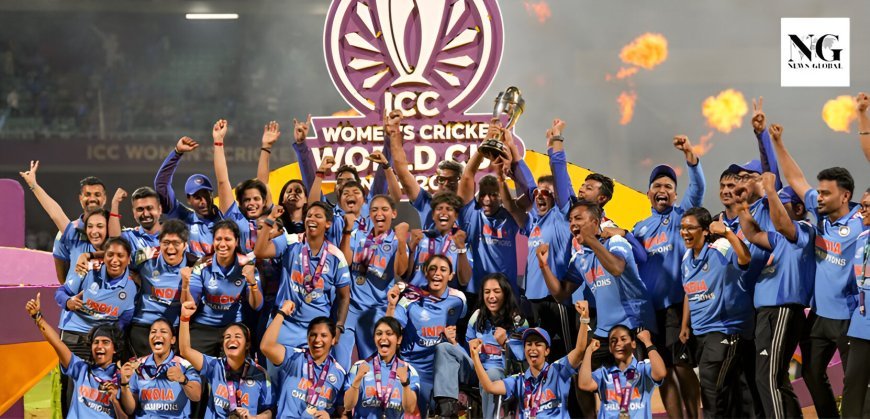
A packed stadium might show the players, the coach, and the final score. What it never shows is the planning behind it. The meetings, the contracts, the schedules, the sponsorship calls, the safety checks, and the quiet decisions that shape every single match. That hidden world belongs to sports management. This is where love for sport turns into a profession. Not with a bat or a whistle, but with strategy, structure, people skills, and a sharp eye for detail.
How Sports Management Works
Sports management is the business engine of sport. It handles everything that happens before the crowd arrives and long after the lights go off.
It covers:
- Running teams and leagues
- Organising tournaments and events
- Managing players’ careers and contracts
- Handling media, sponsors, and branding
- Maintaining stadiums and training facilities
- Analysing data and improving performance
This field blends sport with business, communication, law, finance, and technology. It needs thinkers, planners, and problem-solvers who stay calm under pressure and stay sharp in fast-moving environments.
Rapid Growth of Sports Management
Sport is no longer just entertainment. It has become an industry. A massive one.
In India, leagues like IPL, ISL, Pro Kabaddi, and emerging esports tournaments have changed the scale of sports. Add fitness brands, school programs, streaming platforms, and fan-based content, and the demand for skilled managers continues to rise every year.
Jobs are no longer limited to one stadium or one team. Opportunities now sit in:
- Professional leagues
- Sports marketing agencies
- Fitness and wellness brands
- Online sports platforms
- Esports teams and organisers
- Schools, colleges, and academies
This steady expansion has created space for thousands of new roles that simply did not exist a decade ago.
Main Career Paths in Sports Management

There is no single job title. This field has many directions.
Team and League Management
These professionals handle budgets, player selections, team logistics, and long-term planning. Senior roles in clubs and leagues can earn over ₹25 lakh a year, depending on the scale and success of the organisation.
Sports Marketing and Sponsorship
This is where brands and sport meet. The job is to attract sponsors, create campaigns, increase ticket sales, and keep fans connected. With experience, earnings usually range between ₹15–35 lakh per year.
Athlete Representation and NIL Management
Athletes today need guidance with contracts, endorsements, and personal branding. Sports agents, business managers, and NIL specialists protect athletes’ interests and grow their value in the market. Experienced professionals in this space earn strong commissions and high annual packages.
Event and Operations Management
From small tournaments to national leagues, event managers handle every moving part. Security, travel, scheduling, equipment, and emergency planning all sit under their watch. Starting salaries may be ₹3–6 lakh, rising quickly with experience.
Facility and Stadium Management
These professionals keep stadiums, training centres, and sports complexes safe, ready, and fully functional. With the right experience, salaries can reach ₹15–20 lakh per year or more.
Finance and Data Roles
Sports is now driven by numbers. Analysts track performance, revenue, fitness, and fan behaviour. With skills in tools like Excel, Tableau, Python, or Power BI, this path offers some of the highest growth in the industry.
Media and Digital Roles
Content managers, PR specialists, and social media lead help build a team’s image. They control the story fans see and share. These roles grow fast, especially for those who understand both sport and content trends.
Academic Routes into Sports Management
Most professionals begin with a bachelor’s degree in:
- Sports Management
- Business Administration
- Commerce or Marketing (with sports exposure)
This builds a base in finance, organisation, strategy, and communication.
Many then choose an MBA in Sports Management. This adds deeper knowledge in:
- Sports marketing and sponsorship
- Sports law and governance
- Event planning and execution
- Facility operations
- Player and team management
Students from strong institutions often start at ₹6–8 lakh per year and grow from there based on performance and networking. Short-term certifications in event management, analytics, sports law, or athlete management also help create a strong profile.
Core Skills for Sports Management
This career does not reward theoretical knowledge alone. Real impact comes from real abilities.
Key skills include:
- Strong organisation and time management
- Confidence in communication and negotiation
- Financial understanding and budgeting sense
- Digital knowledge and data awareness
- Quick decision-making under pressure
- Deep understanding of at least one sport
These skills grow faster through real-world exposure, not just classrooms.
Real Challenges in Sports Management

This is not a desk job with fixed hours. It involves:
- Long days during tournaments and events
- Travel and unpredictable schedules
- Heavy competition for top roles
- Slow growth at the initial stage
- Pressure from sponsors, fans, and media
Those who survive the early years often build powerful, fulfilling careers that stay close to the action forever.
First Steps into Sports Management
A strong start matters.
- Volunteer for local tournaments, marathons, or college events
- Intern with a sports club, agency, or academy
- Learn Excel, communication tools, and basic marketing
- Attend matches, conferences, and workshops
- Follow sports business news regularly
- Build a small portfolio of real work
These steps show seriousness, not just interest.
Conclusion
Sports management is not for people who just watch the game. It is for people who want to build the game. It is for minds that enjoy planning big moments and handling pressure behind the scenes. For people who feel alive when the crowd roars, even if they are standing far from the spotlight. If sport already lives in your thoughts, this career can give it direction.
And if you are willing to work for it, this world has more room than you think.
FAQs
Is sports management a good career choice in India?
Yes. The industry is expanding through leagues, academies, esports, fitness brands, and media platforms. This growth is creating steady demand for trained professionals in management, marketing, analytics, and operations.
Do you need to be a sportsperson to enter sports management?
No. A sports background helps with understanding the field, but it is not required. Strong business, communication, and organisational skills matter far more.
What is the average starting salary in sports management?
Fresh graduates usually start between ₹3 to ₹6 lakh per year. With experience, this can rise to ₹15–20 lakh, and senior roles can go much higher.
Which degree is best for a career in sports management?
A Bachelor’s degree in Sports Management, Business Administration, or Commerce is a solid start. An MBA in Sports Management adds strong career value.
What kind of jobs are available in this field?
Common roles include sports marketing manager, event coordinator, team manager, sports analyst, athlete representative, facility manager, and digital content manager.