7 Everyday Foods That Quietly Block Vitamin D Absorption
Taking Vitamin D every day but still low? The problem may not be the dose. Timing with food and pills changes everything.
 Admin
Admin
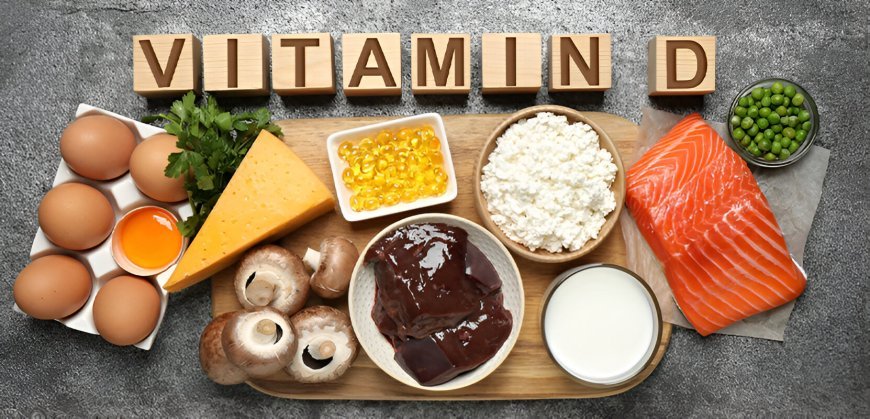
Vitamin D supports bones, muscles, immunity, and overall strength. Blood tests still show low levels in many regular users. The reason is often poor absorption, not weak dosage. Vitamin D is fat-soluble and depends on food, supplements, and medicines taken around the same time. Some items quietly block its entry into the bloodstream. Others push it out too fast. Without proper timing, even a high-quality supplement can fail to deliver real benefits.
High-Fiber Meals Slow Vitamin D Entry
Fiber supports digestion and heart health. Very high-fiber meals made from bran, oats, lentils, beans, and whole grains move quickly through the gut. This fast movement gives Vitamin D less time to be absorbed. Large fiber bulk can also trap fat-soluble nutrients and carry them out unused. Vitamin D works best with a moderate meal that includes some fat and a controlled amount of fiber, not with the heaviest cereal or pulse-based plate of the day.
Phytic Acid in Nuts, Seeds, and Legumes
Nuts, seeds, and legumes are rich in nutrients but also contain phytic acid. This compound binds minerals such as calcium, iron, and zinc inside the gut. Since Vitamin D depends on calcium to perform many functions, this binding weakens its overall effect. Seed-heavy smoothies, nut butters, and legume-rich meals taken close to supplement time can reduce results. A simple gap of one to two hours between these foods and Vitamin D improves absorption without removing these foods from the diet.
High-Dose Calcium Creates Absorption Competition
Calcium and Vitamin D are often paired for bone health. In large single doses, both compete for similar absorption channels in the intestines. This competition can lower uptake efficiency. In sensitive systems, heavy combined intake may also raise kidney stone risk. Better results come from spacing both nutrients across the day. Vitamin D works well with one meal, while calcium fits better with another. This separation supports smoother handling and steadier bone support.
Excess Vitamin A Blocks Vitamin D Action
Vitamin A and Vitamin D share similar fat-based transport and storage routes. Very high Vitamin A intake from strong multivitamins, fish liver oils, or separate capsules can weaken Vitamin D activity. This effect develops slowly and often goes unnoticed.
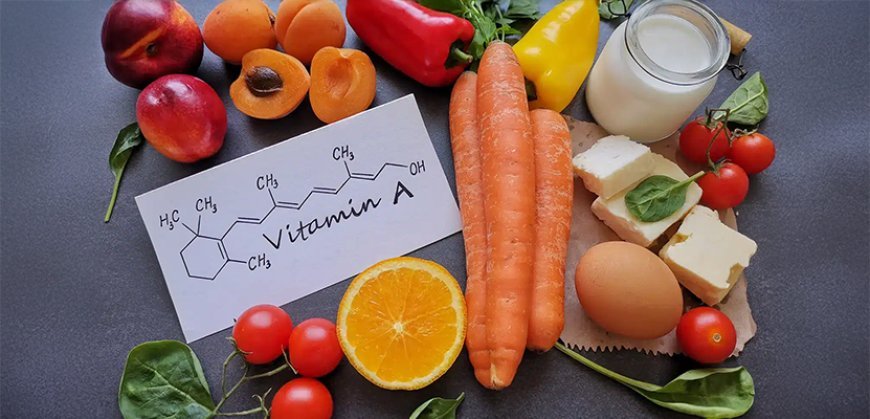
Food sources such as vegetables rarely cause issues. The problem comes from stacked supplements taken over long periods. Careful label reading prevents excess Vitamin A from quietly reducing the benefit of Vitamin D support.
Magnesium Needs Smart Timing
Magnesium is essential for converting Vitamin D into its active form inside the body. Low magnesium weakens Vitamin D response. At the same time, large magnesium supplements taken with Vitamin D may cause cramps, loose motion, or poor absorption in sensitive digestive systems. Magnesium from food sources usually causes no trouble. When tablets or powders are used, separating magnesium and Vitamin D by a few hours often improves comfort and effectiveness.
St. John’s Wort Speeds Up Vitamin D Breakdown
St. John’s Wort increases the activity of liver enzymes that break down many substances, including Vitamin D. Faster breakdown means Vitamin D leaves the bloodstream sooner than expected. Even regular dosing may fail to maintain healthy levels under this effect. This interaction often stays unnoticed. When this herb is part of a routine, blood level checks and professional guidance become important to prevent silent Vitamin D deficiency.
Cholesterol and Weight Medicines Trap Vitamin D
Medicines such as cholestyramine, colestipol, and colesevelam bind bile acids in the gut to reduce cholesterol absorption. Vitamin D travels with fats and bile. When bile is trapped, Vitamin D becomes trapped too and passes out unused. This does not reduce the value of the medicine but demands strict timing. A separation of at least two to four hours between these medicines and Vitamin D protects absorption.
Right Time to Take Vitamin D for Real Results
Vitamin D performs best with a small or moderate meal that contains healthy fat and low pill crowding. Heavy fiber, nut and seed overload, stacked minerals, excess Vitamin A, bile-binding medicines, and fast-acting herbs can quietly reduce its impact. A single calm intake window each day allows steady absorption. Before increasing strength or frequency, a timing review often solves stubborn low readings and restores the full benefit of Vitamin D support.
FAQs
Why does Vitamin D need fat for absorption?
Vitamin D is a fat-soluble vitamin. This means it travels through the gut along with dietary fat. Without enough fat in the meal, a large part of the supplement may pass through without entering the bloodstream. Even a small amount of healthy fat like eggs, curd, olive oil, ghee, or cheese can improve absorption.
Can Vitamin D be taken on an empty stomach?
Vitamin D can be taken on an empty stomach, but absorption is often weaker. Studies show better results when it is taken with food that contains some fat. Taking it daily with a light meal usually produces more stable blood levels than taking it without food.
Does fiber cancel Vitamin D completely?
Fiber does not cancel Vitamin D, but very high fiber taken at the same time can reduce how much gets absorbed. Heavy bran cereals, large bowls of lentils, and dense whole-grain meals move quickly through the gut and reduce contact time needed for absorption. A timing gap solves this issue without reducing fiber intake.
Should Vitamin D and calcium always be taken together?
Not always. While both work together for bone health, large doses taken at the same time can compete for absorption. Spacing them through the day often improves results and lowers the risk of side effects such as kidney stones in sensitive individuals.
Can multivitamins interfere with Vitamin D?
Yes, some multivitamins contain high doses of Vitamin A, calcium, or magnesium. When stacked with a separate Vitamin D supplement, these can reduce effectiveness through competition or pathway overload. Checking labels and spreading tablets across the day helps prevent this.