
10 Abandoned Mega Projects Around the World You Never Knew About
Big dreams, billion-dollar plans, and silent endings. Why do mega projects fail even before they begin to live? Discover the stories behind them.
 Admin
Admin
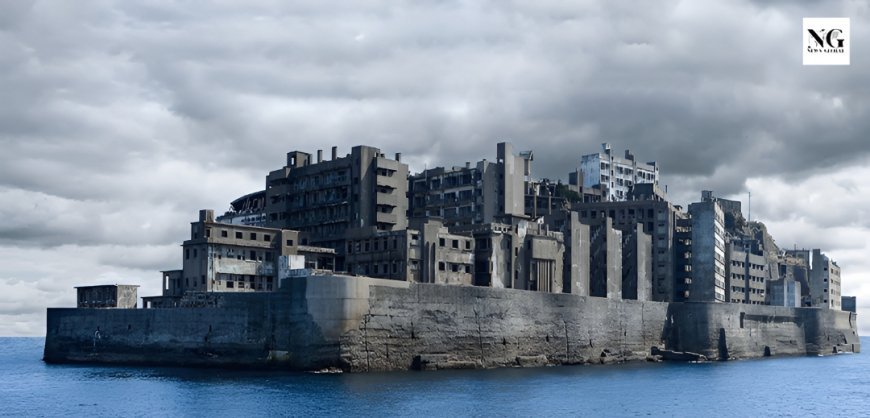
Some of the world’s largest projects were built to change cities, attract tourists, and show power. They promised fast growth and modern life. Many of them, however, never reached their goal. Today they stand as abandoned mega projects, silent proof that size alone is not enough. Let’s take a closer look at some of the most striking examples around the world.
Ryugyong Hotel
Pyongyang’s Ryugyong Hotel is a 105‑story pyramid‑shaped skyscraper rising over the city. It was meant to be a symbol, not just a building, a sign that North Korea could build like the world’s richest nations. Work began in 1987 and stopped in 1992 when money ran out and the economy fell. For years the tower stood empty, its floors unused, its windows bare. Even today it feels less like a hotel and more like a frozen dream.
Ciudad Real Central Airport
Spain opened the Ciudad Real Central Airport in 2009 with modern terminals, long runways, and high hopes. The project cost about 1.3 billion dollars and was meant to bring new traffic to the region. Airlines did not come in numbers, and passengers stayed low. The airport closed after three years. The runways now feel like roads with no cars, and the empty halls echo more than they welcome.
Forest City
In Malaysia, near the Singapore border, developers planned Forest City as a huge mix of homes, offices, malls, and parks. They sold it as a smart, modern town for the future. Billions of dollars were spent, but buyers did not come at the speed expected. Many buildings are half‑built, and the streets stay quiet. The project feels like a town drawn on a screen, never fully printed into real life.
Burj Al Babas
In western Turkey, Burj Al Babas began as a village of small Gothic‑style houses. Each one looked like a tiny castle, painted and pointed, aimed at rich buyers. Rows of these houses were built, but the company ran into money trouble. Work stopped and the project was dropped. The half‑built houses now stand in lines, empty and unused. The place feels like a fairy‑tale town with no residents and no stories.
Wonderland Amusement Park
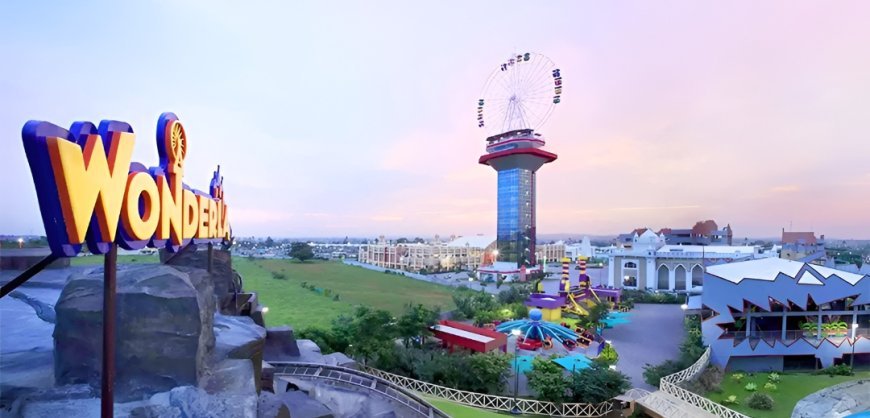
Near Beijing, builders planned Wonderland Amusement Park as one of Asia’s largest. The design included big rides, bright shows, and crowded streets. The project never reached its final stage. Money problems and legal issues slowed it down. Today the site is quiet. Empty walkways, exposed steel frames, and unused ride bases make it feel like a place built for fun, but never allowed to live.
Centro Financiero Confinanzas (Tower of David)
In Caracas, the Tower of David was planned as a top financial center. Construction began in 1990 but stopped in 1994 after a banking crisis. The unfinished tower was later filled by thousands of people who moved in. It became a “vertical slum” with no proper services, no safety, and no clear rules. Years later, many were removed, and the building stayed mostly empty and damaged, like a plan that tried to live in the wrong world.
Union Square (Kowloon Station development)
Hong Kong planned a large mixed‑use hub around Kowloon Station. The idea was to mix trains, luxury homes, offices, and shopping in one busy point. Costs rose, politics changed, and the economy slowed. Some parts were built, but others were never started. The area feels like a story that ends in the middle, with the last chapters missing and the ending unknown.
City of Dreams Mediterranean
On Cyprus’s coast, a casino resort called City of Dreams Mediterranean was planned. It was meant to host hotels, a large casino, shops, restaurants, and shows. Work began with cranes and dust, but money problems and political changes slowed progress. The half‑built site now sits unused, with no guests, no music, and no lights. It feels like a party that was announced, but never held.
Conclusion
Abandoned mega projects are more than just empty buildings. They show the gap between big ideas and the real world. They warn planners to think about money, risk, and real demand before starting something huge. Some sites are slowly being reused or turned into tourist spots. Others stay quiet, like lessons in stone and steel, proving that not every big project needs to finish to leave a clear mark.
FAQs
Why do mega projects fail?
Most mega projects fail because of poor financial planning, lack of demand, political changes, legal issues, or economic downturns. Sometimes, projects are too ambitious and do not match real market needs.
Which is the most famous abandoned mega project in the world?
The Ryugyong Hotel is one of the most well-known examples. It stood incomplete for decades and became a global symbol of failed ambition.
Are all abandoned projects completely unused?
Not always. Some projects are partially used or repurposed. For example, the Centro Financiero Confinanzas (Tower of David) in Caracas was temporarily occupied by residents before being cleared.
How do abandoned projects affect local economies?
They often cause financial loss, reduce investor confidence, and waste valuable land. In some cases, they can also impact jobs and slow down regional growth.
Can abandoned mega projects be revived?
Yes, some projects are revived with new investors or revised plans. However, restarting them is difficult and depends on funding, market demand, and government support.